Clean Energy Products such as Roofing, Hurricane Impact Windows & Doors
Florida, known for its beautiful coastline and frequent hurricane activity, has some of the strictest building codes in the nation, particularly concerning roofing. For homeowners in the Sunshine State, understanding hurricane-rated roofing isn’t just about compliance, but about safeguarding their biggest investment.
Florida Hurricane Roofing
The Florida Building Code (FBC) sets rigorous standards for roofing systems, aiming to minimize damage from the high winds, heavy rains, and flying debris that accompany hurricanes. These codes vary by region, with coastal areas and High-Velocity Hurricane Zones (HVHZ), like Miami-Dade and Broward counties, having the most stringent requirements.
While FBC compliance is crucial, it’s important to note that these codes represent minimum protection standards, not necessarily the best safeguards against powerful Category 4 or 5 hurricanes. Many roofs that meet basic code still sustain damage in severe storms.
Key aspects of Florida’s roofing codes include:
- Wind Resistance Standards: Roofs must be designed to withstand specific wind speeds, which can range from 140 to 200 mph in high-risk areas. Roofing materials are tested for their ability to resist wind uplift and impact.
- Secure Fastening: Proper fastening is paramount. This includes the use of hurricane straps or clips to securely attach the roof to the walls. The FBC specifies minimum nail sizes (e.g., 8d ring-shank nails) and precise nailing patterns (e.g., six nails per shingle instead of the standard four) to enhance resistance.
- Underlayment: A secondary water barrier, often a self-adhering polymer-modified bitumen underlayment, is required to prevent water intrusion even if the primary roof covering is compromised.
- Roof Geometry: Hip roofs, where all sides slope downward, are generally more wind-resistant than gable roofs due to their aerodynamic shape, which distributes wind pressure more evenly. A 4-slope hip roof with a 30-degree slope is often recommended for superior wind resistance.
Top Hurricane-Resistant Roofing Materials for Florida Homes
When choosing a hurricane-rated roof in Florida, several materials stand out for their durability and performance:
- Metal Roofing:
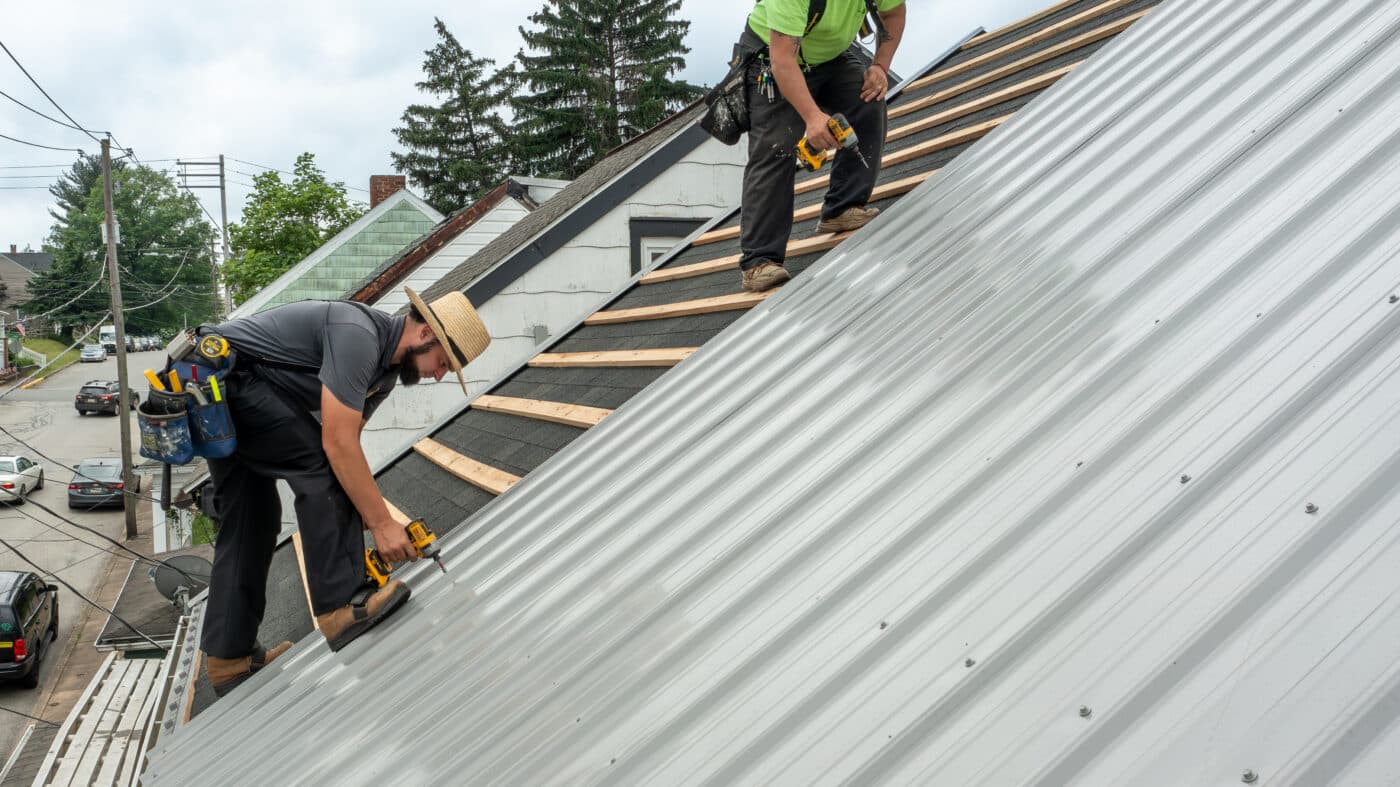
- Pros: Considered the “superhero” of storm protection, metal roofs are highly resistant to hurricane-force winds (up to 160-180 mph) and impact from debris. They are also long-lasting (40-70 years), fire-resistant, and can reflect heat, potentially lowering AC bills. Interlocking panels provide a tight, sealed system.
- Cons: Higher upfront cost compared to asphalt shingles.
- Types: Standing seam, corrugated, or metal tiles that can mimic other materials.
- Concrete and Clay Tiles:
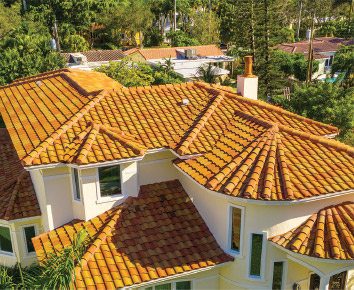
- Pros: These traditional Florida favorites are not just aesthetically pleasing but also heavyweights against high winds (up to 150 mph). They are naturally resistant to fire and pests, and can last 50 years or more.
- Cons: Their weight often requires roof reinforcement. Proper installation with skilled crews and appropriate anchoring systems is critical to prevent tiles from becoming projectiles in extreme winds.
- Architectural Shingles:
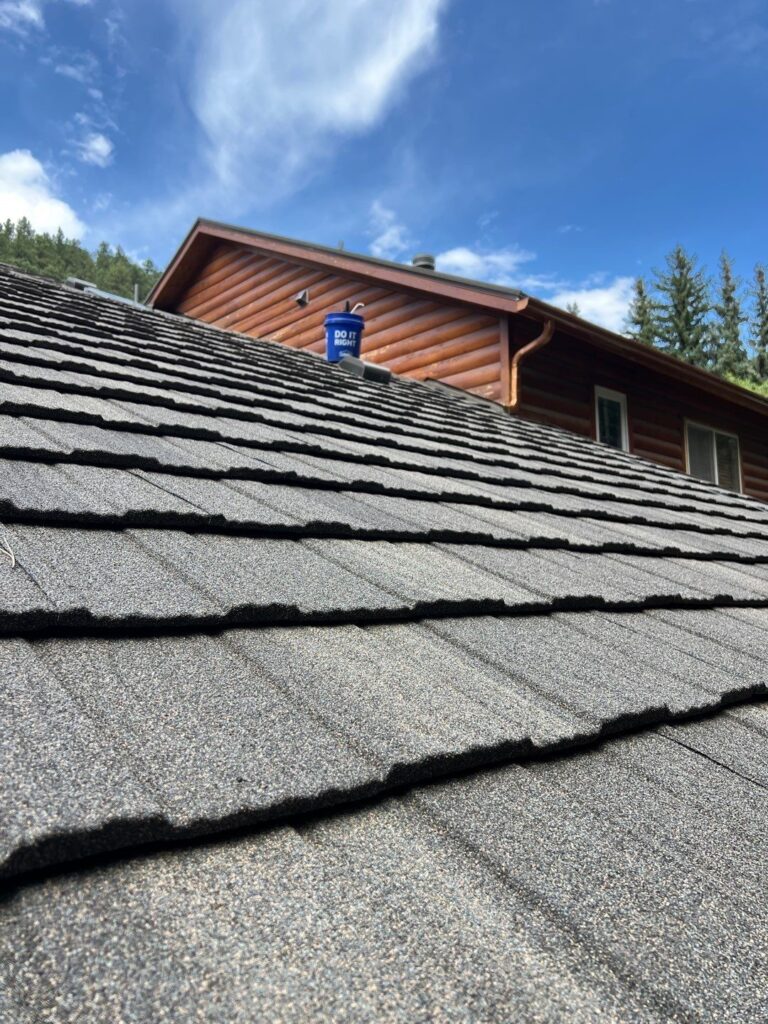
- Pros: A significant upgrade from basic 3-tab shingles, architectural shingles (also known as dimensional or laminated) are thicker and more durable. Many are rated for 110-130 mph wind resistance and are more affordable than metal or tile. They can be reinforced with special hurricane nail patterns and underlayment for enhanced performance.
- Cons: While better than standard shingles, they may not offer the same level of extreme wind resistance as metal or properly installed tiles in the strongest hurricanes.
- Composite Roofing Materials:
- Pros: These synthetic materials, often designed to mimic slate, wood, or tile, offer excellent durability, lightweight properties, and high wind resistance (some up to 211 mph). They are often maintenance-free, UV-resistant, and can come with long warranties.
- Cons: Cost can be higher than architectural shingles
Beyond Materials: Crucial Considerations for Hurricane-Rated Roofs
Regardless of the material chosen, several other factors significantly impact a roof’s hurricane resistance:
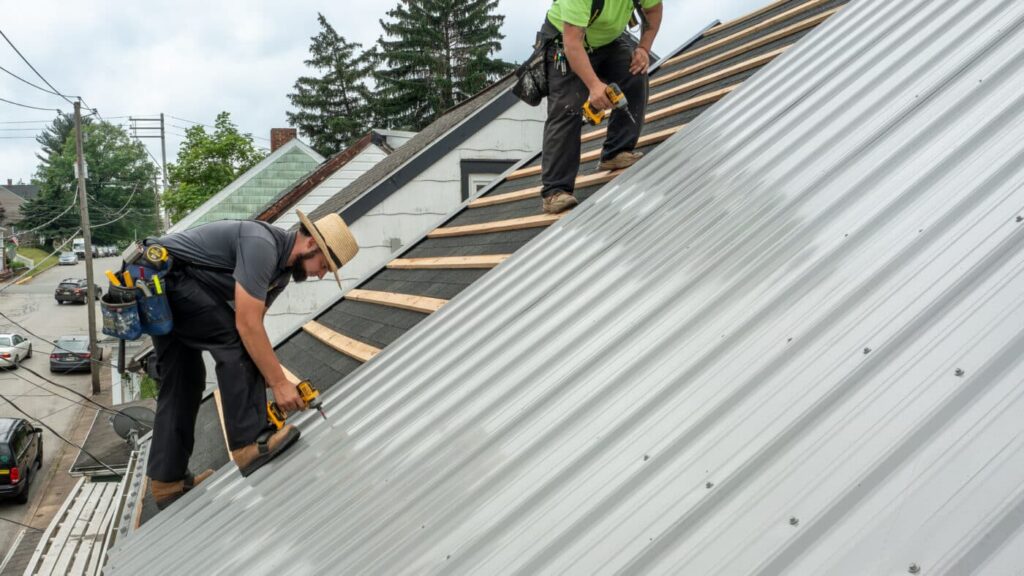
- Professional Installation: Even the strongest materials will fail if not installed correctly. Adherence to manufacturer specifications and Florida Building Code requirements is paramount.
- Roof-to-Wall Connections: Hurricane clips and straps are vital metal connectors that secure the roof structure to the walls, preventing uplift.
- Gable End Reinforcement: Gable end walls, the triangular sections of a roof, are particularly vulnerable to wind damage. Reinforcing these sections is crucial.
- Secondary Water Barrier: An underlayment that creates a watertight seal directly to the roof deck is essential for preventing water intrusion even if the top layer of roofing is damaged.
- Regular Maintenance and Inspections: A well-maintained roof is better equipped to withstand a storm. Regular inspections can identify and address potential weaknesses before hurricane season.
Investing in a hurricane-rated roof for your Florida home is a critical step in protecting your property and ensuring peace of mind. By understanding the building codes, selecting appropriate materials, and prioritizing proper installation and maintenance, homeowners can significantly enhance their home’s resilience against the state’s challenging weather.