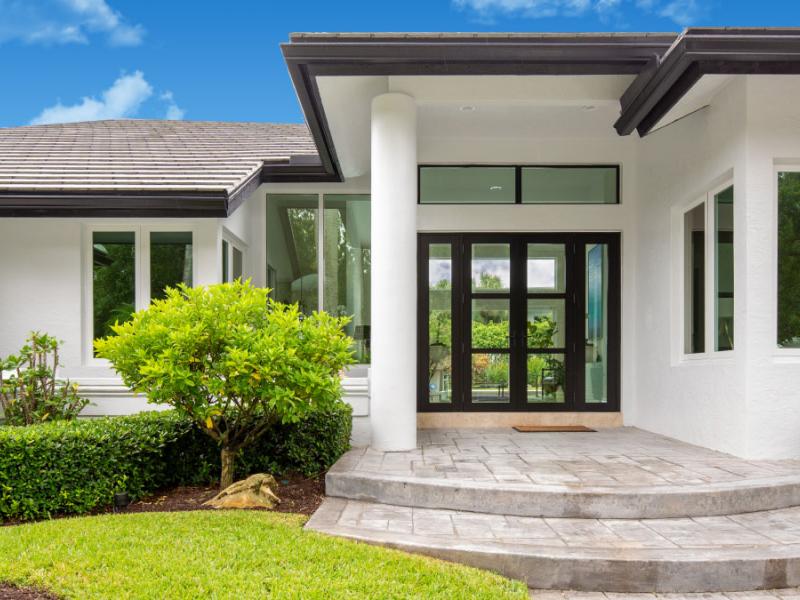
Hurricane Rated Shingle ,Metal , Tile Roofing
Best Roofing Conttractor
When looking for the best hurricane-rated roofing in Davie, Florida
When looking for the best hurricane-rated roofing in Davie, Florida, it’s essential to prioritize materials and installation methods that go beyond minimum building code requirements. Florida has strict building codes, but true storm resistance often requires additional considerations.
Here’s a breakdown of the best options and important factors:
Top Hurricane-Rated Roofing Materials:
Metal Roofing:
Pros: Considered the “superhero” of storm protection. It’s incredibly strong, lightweight, and can withstand winds up to 160-180 mph (Category 5 hurricane). Interlocking panels provide a tight seal. It’s also resistant to fire, impact, and corrosion from salt air. Metal roofs are highly durable and can last 40-70 years. Many are energy-efficient, reflecting heat and potentially lowering AC bills.
Cons: Higher upfront cost compared to other options.
Types: Standing seam metal roofs, especially those made of galvalume steel or aluminum, are highly recommended for coastal and high-wind areas.
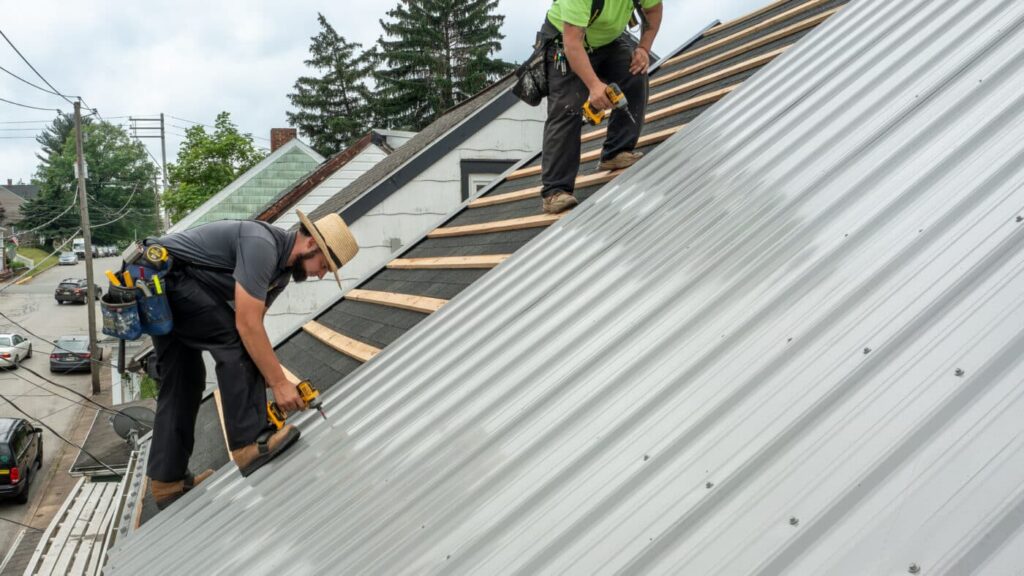
Top of the line Metal Roofing
Pros: A popular and aesthetically pleasing option in Davie, Florida. Tiles are heavy and can resist winds up to 150 mph. They are naturally resistant to fire and pests and can last a long time (25-50+ years for tiles, 20-30 years for underlayment). They also offer good insulation, helping to keep homes cooler.
Cons: Require proper installation and anchoring systems, as poorly fastened tiles can become dangerous in high winds. Their weight may require roof reinforcement.
Note: Companies like Locktight Impact Windows and Roofing have specific “Davie” concrete roof tile systems that are Broward County approved.
Composite Tiles (e.g., Brava):
Pros: Offer the aesthetic appeal of natural materials (like cedar shakes, slate, or Spanish barrel tile) without the drawbacks. They are lightweight, easy to install, weather-resistant, UV resistant, and don’t conduct heat. Some composite tiles offer very high wind ratings, even up to 211 MPH, along with high impact and fire ratings. They are often low-maintenance with long warranties (e.g., 50 years).
Cons: Can be more expensive than traditional materials.
Architectural Shingles:
Pros: A significant upgrade from basic 3-tab shingles. They are more durable, with multiple layers, and are typically rated for 110-130 mph wind resistance. They are more affordable than metal or tile and can be reinforced with special hurricane nail patterns and underlayment.
Cons: While better than standard shingles, they may not offer the same extreme wind resistance as metal or properly installed tile/composite systems.
Key Factors for Hurricane Resistance (Beyond Material):
Installation Matters Most: Even the best material will fail if not installed correctly.
Underlayment: Use synthetic or self-adhering underlayment for superior water protection.
Fastening: For shingles, six nails per shingle instead of the standard four is recommended. Use 8d ring-shank nails (minimum 0.113-inch diameter and 2⅜ inches long) that penetrate the sheathing. For metal roofs, proper fastener spacing is crucial, with tighter spacing at edges, corners, and ridges, especially in coastal areas.
Hurricane Clips/Straps: Metal connectors, clips, and straps are essential for reinforcing roof-to-wall connections.
Broward County NOA (Notice of Acceptance): Always look for materials with Broward County Product Approval. This signifies that the product has been tested to meet the stringent High-Velocity Hurricane Zone (HVHZ) provisions of the Florida Building Code. The City of Plantation also refers to Broward County and Miami-Dade County forms and requirements for building permits, including those for roofing.
Roof Shape: Hip roofs are generally the best choice for hurricane resistance due to their aerodynamic shape, which allows wind to flow smoothly and distributes pressure evenly. Gable roofs are more vulnerable.
Gable End Walls: These triangular sections are highly vulnerable. If taller than 5 feet, they are at higher risk of collapse in hurricanes.
Ridge Vents: Standard ridge vents can be a weak link. Ensure they are properly secured and part of a robust roofing system.
Eave Overhangs: Keep eave overhangs at 20 inches or less to minimize uplift risks.
Roof Deck Renailing: When replacing a roof, the existing wood roof deck may need to be renailed according to current Florida Building Code provisions (Chapter 16, High-Velocity Hurricane Zones).
Drainage: For flat roofs, excellent drainage is critical to prevent water pooling.
Cost Considerations in Broward County (Plantation):
Asphalt Shingles: Generally the most affordable, ranging from $5-$8 per square foot.
Flat Roofs: Typically $6-$10 per square foot.
Metal Roofing: Costs between $8-$13 per square foot, with standing seam metal roofs potentially $10-$20 per square foot.
Tile Roofing: Tends to be the most expensive, ranging from $10-$15 per square foot.
Overall, single-family home roofing costs in Broward County typically fall between $10,000 and $25,000, depending on size, material, and labor.
Important Steps for Homeowners in Davie:
Choose a Reputable Contractor: Select a licensed and insured contractor experienced in hurricane-rated roofing in Florida. They should be registered with the City of Plantation.
Verify Product Approvals: Ensure all roofing materials have Broward County Product Approval or meet relevant Florida Building Code standards (e.g., ASTM D3161 Class F for shingles).
Understand Permit Requirements: A permit is required for roof replacement in Plantation. Your contractor should handle this, providing necessary forms and ensuring compliance with local regulations.
Consider Wind Mitigation Inspections: After installation, a wind mitigation inspection can provide peace of mind and potentially qualify you for insurance discounts.
Explore Incentives: Florida offers grants (like the My Safe Florida Home program) and potentially lower insurance premiums for homes with hurricane-resistant improvements.
By focusing on high-quality materials like metal, tile, or advanced composites, coupled with enhanced installation techniques and adherence to or exceeding Florida Building Code requirements, you can significantly enhance your home’s protection against hurricanes in Plantation.